

NuLife
The Approach
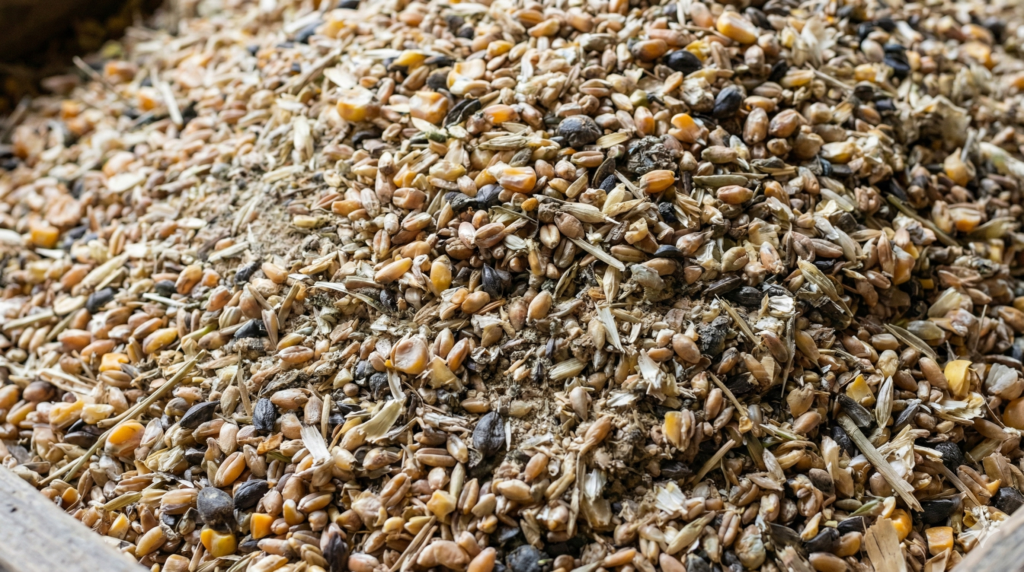
NuLife collects biowaste — materials like oat hulls, grease-trap waste, canola sludge, and biosolids — that would otherwise decompose and release its carbon back to the atmosphere. In a sealed reactor, the waste is combined with water and brought to high temperature and pressure, a process known as hydrothermal liquefaction (HTL). This converts the biomass into a stable, carbon-dense bio-oil.
The bio-oil is then injected more than 1,000 meters underground into licensed salt caverns, where the carbon is held in permanent geological storage. Deliveries are independently verified by Isometric.
The Case for NuLife
It turns a local waste problem into a verifiable removal pathway. Instead of letting organic waste break down and emit CO2, NuLife captures that carbon and stores it durably — with each ton independently measured and verified.
It is already delivering verified tons. NuLife’s operating facility has accumulated thousands of hours of runtime, and Isometric-verified deliveries reduce the technical uncertainty that often surrounds early-stage removal.
Concentrating carbon into bio-oil makes storage practical. Because the carbon is densified into a liquid, it can be moved and injected through centralized wells rather than many distributed sites, simplifying transport and permanent storage.
The pathway is broadly scalable. HTL can process a wide range of wet and dry biomass wastes, and Frontier estimates the approach could ultimately reach on the order of 1.5 gigatons of CO2 removal per year by 2040.
Pricing and Delivery
Frontier buyers’ total offtake is $44.2M to deliver 122,000 tons between 2026 and 2030. The price covers both the removal itself and the measuring, reporting, and verifying (MRV) needed to confirm that each ton is permanently stored.
PathwayBiomass Carbon Removal & Storage
Contracted tons122,000
TrackOfftake
Total contract value$44.2M
LocationSaskatoon, CA
Delivery timeline2026-2030
Powered by Frontier
This supplier is part of Frontier's portfolio of high-quality carbon removal solutions.